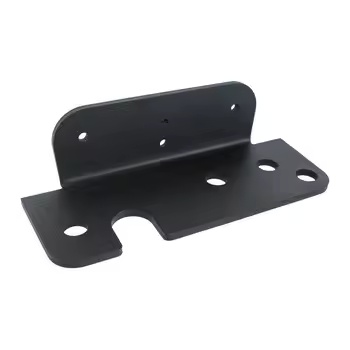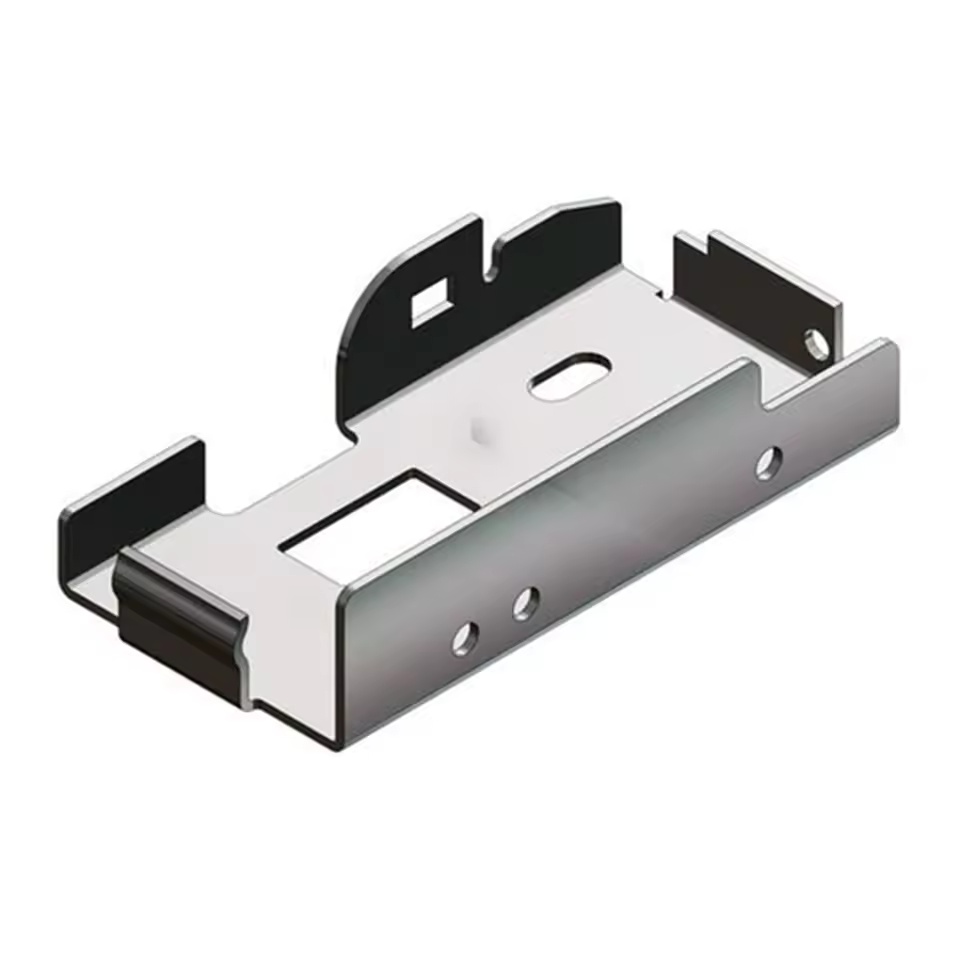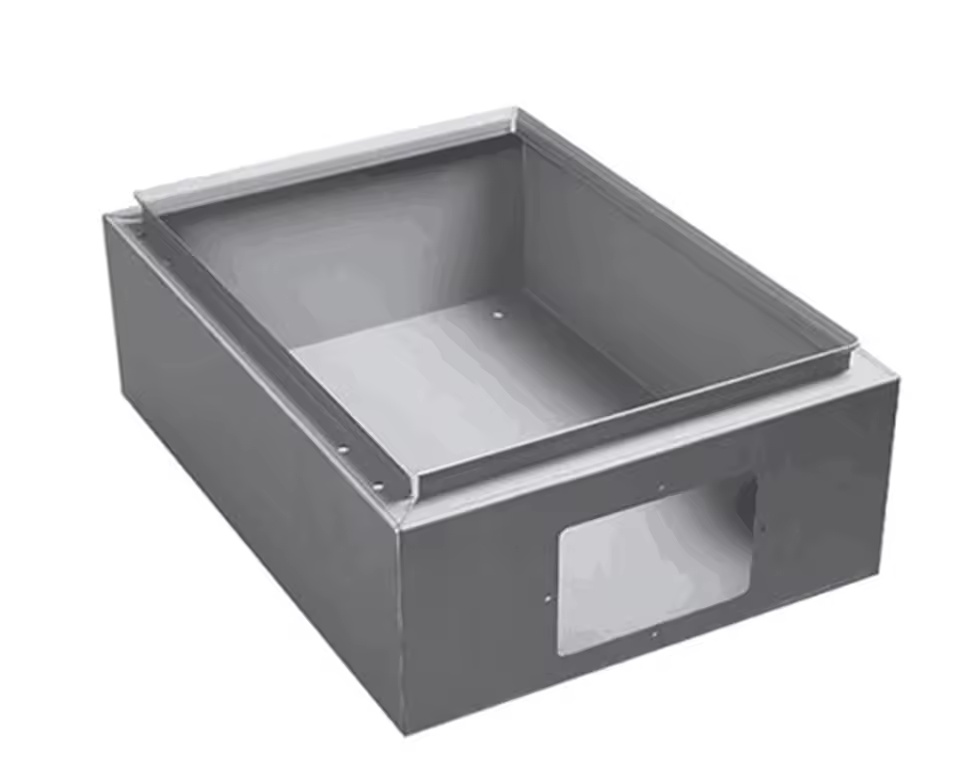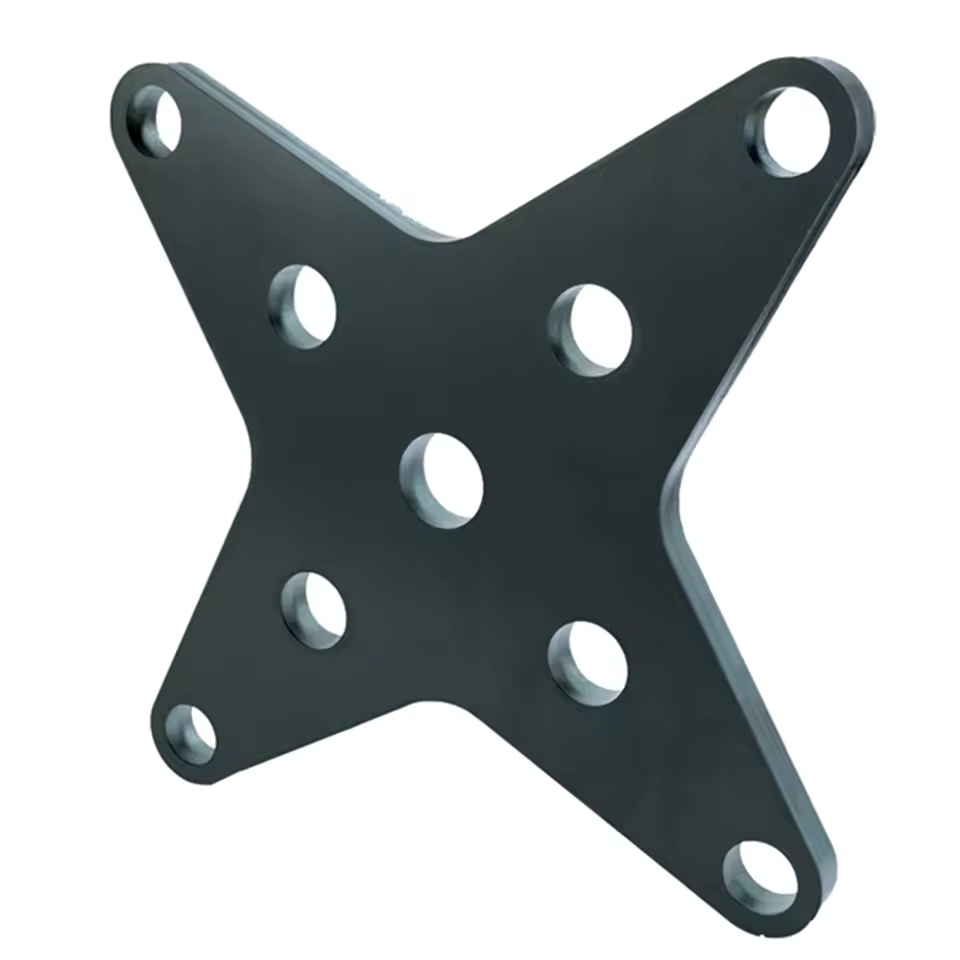
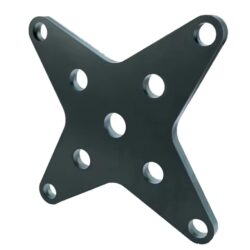


Laser cut sheet metal parts start with a defined flat pattern and the dimensions needed by the final assembly. This reference shows an X-shaped multi-hole plate, distinct from a folded bracket or enclosed housing. Review the outline, sheet thickness, hole pattern and edge requirements against the approved drawing. Confirm the material and manufacturing route for the selected part rather than treating the photograph as proof of a particular cutting process. Send a controlled drawing and quantity, and identify the interfaces and finish that the supplied plate must meet.
| Product: Laser Cut Sheet Metal Parts | |
| Specification: | Use the approved part drawing and purchase requirements |
| Material: | Specify the metal, grade and sheet thickness |
| Dimensions: | Plate outline, thickness, hole diameters and hole positions |
| Design: | Flat X-shaped plate with multiple round holes |
| Manufacturing: | Agree cutting, forming, joining and finishing requirements for the selected part |
| Interfaces: | Mounting-hole pattern and mating contact faces |
| Forming requirements: | Identify bend positions, radii and the dimensions that control assembly fit |
| Finish: | Agree the required finish, appearance sample and masked areas where relevant |
| Inspection: | Confirm dimensional checks, supplied components and required documents |
| Order reference: | Keep the drawing revision, quantity and agreed specification together |


Review laser cut sheet metal parts as part of the complete equipment assembly. Identify plate outline, thickness, hole diameters and hole positions and confirm mounting-hole pattern and mating contact faces against the agreed drawing revision.
For a new part, provide the intended assembly interfaces, material, sheet thickness, quantity and finish reference. For a replacement, include photographs and identify which dimensions are measured and which still need confirmation. A similar-looking sample does not establish interchangeable fit.
Agree the manufacturing route and inspection scope for the selected drawing. Cutting, forming, joining and finishing requirements should identify the features they apply to. Do not infer tolerances, structural capacity or certification from the reference image or a generic product name.
Keep the enquiry, quotation and final order tied to one product reference. List the components expected in the supply and identify any parts or fixings that will be provided separately. Review proposed drawing changes before production so that they are reflected in the order record.
Compare the other Sheet Metal Fabrication products, then send Hengke Casting the selected configuration, controlled drawing and required quantity.